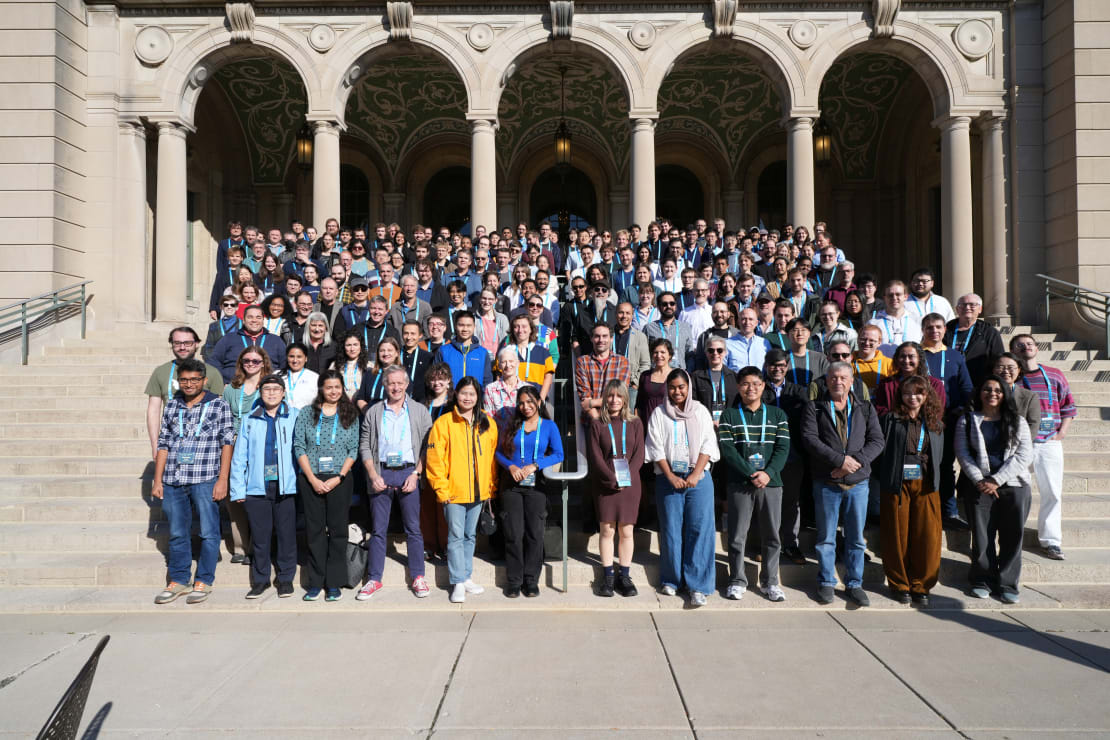
Last month, more than 230 participants took part in the fall IceCube Collaboration meeting at the Memorial Union in Madison, Wisconsin. Hosted by the Wisconsin IceCube Particle Astrophysics Center at the University of Wisconsin–Madison (UW–Madison), the fall meeting takes place in Madison every two years.
Before the meeting began, collaborators held pre-meetings focused on the development of digital optical modules for IceCube-Gen2, readiness for the IceCube Upgrade, and cosmic rays.
This year’s collaboration meeting was especially memorable, as collaborators had a special reason to celebrate: IceCube principal investigator Francis Halzen receiving the 2026 Nobel Prize in Physics.
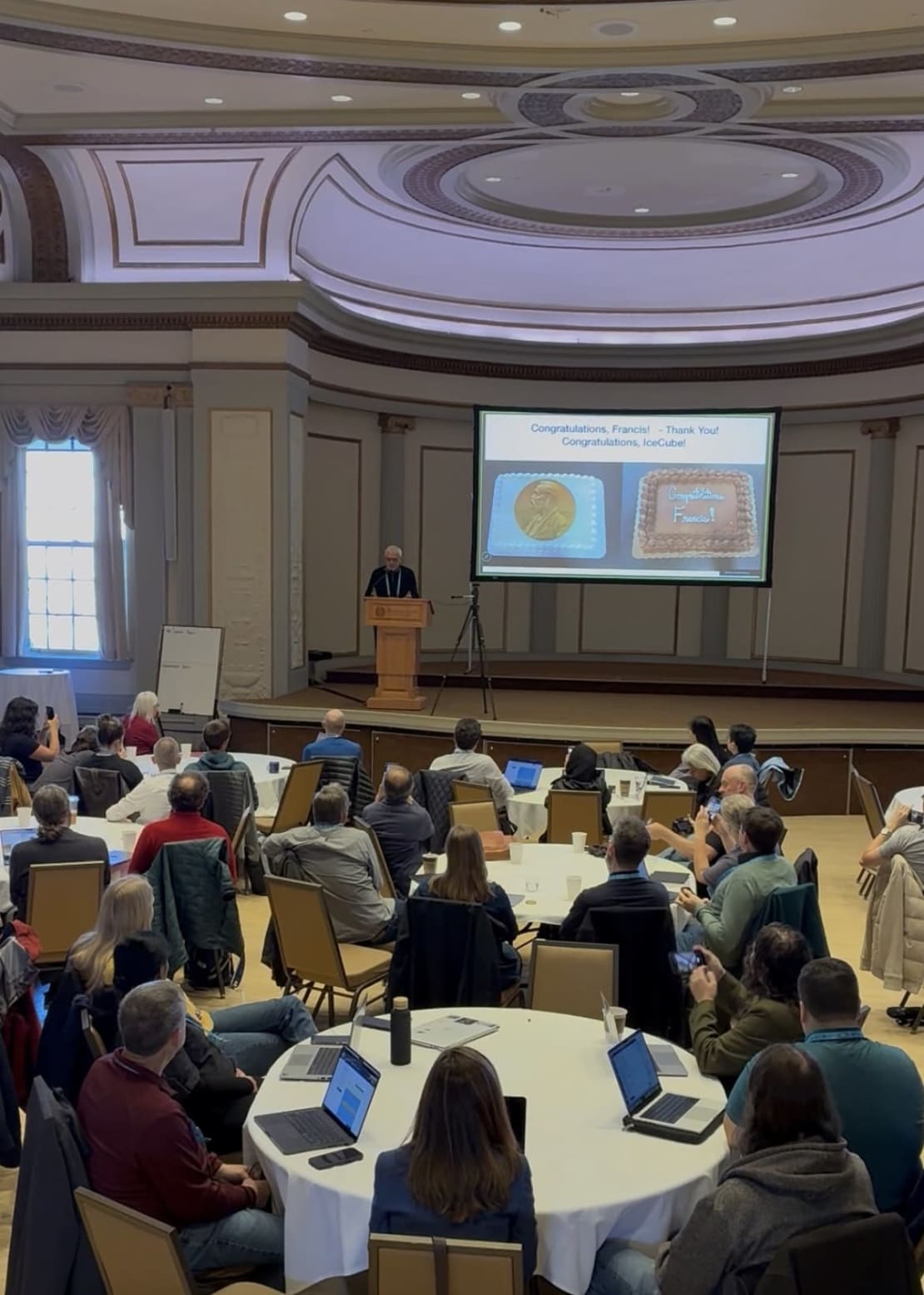
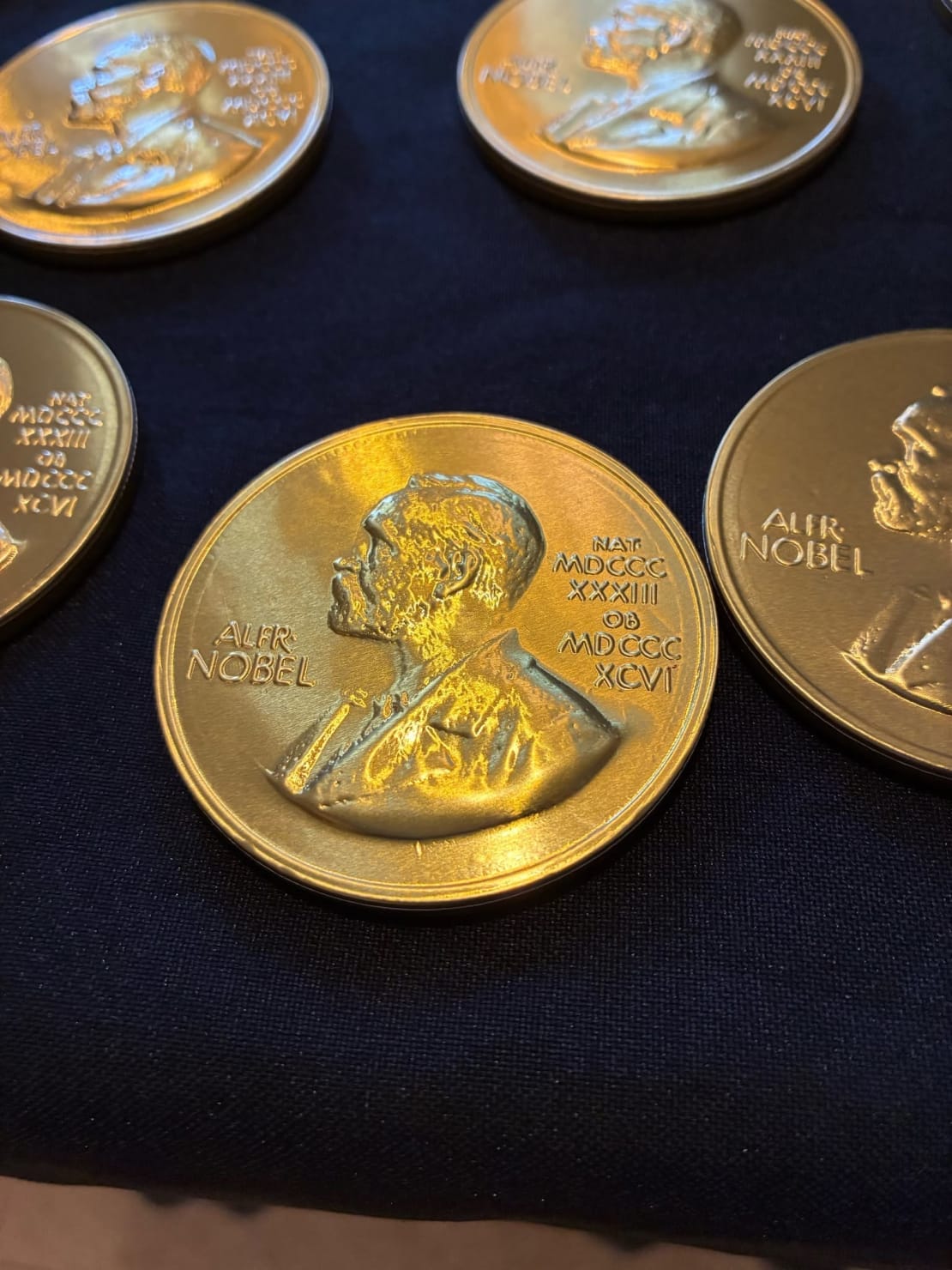
“Congratulations to Francis and to the entire IceCube Collaboration,” said Albrecht Karle, a professor at UW–Madison and chair of the local organizing committee, during opening remarks. “It’s been 15 years since the completion of IceCube, and we’ve now completed the IceCube Upgrade. We have so much to celebrate, making this meeting extra special.”
The opening session also included remarks from UW–Madison Senior Associate Vice Chancellor Cynthia Czajkowski and Halzen himself.
“We are extremely delighted to welcome the many international participants who have traveled from across the globe to join us this week,” said Czajkowski. “One of the things that makes IceCube so remarkable is that it represents not only a scientific achievement but also a model of international collaboration.”
Halzen reflected on his achievement and marked the Nobel Prize win as a way “to give credit to the courageous people who made IceCube possible and to the collaborators for their many contributions.”
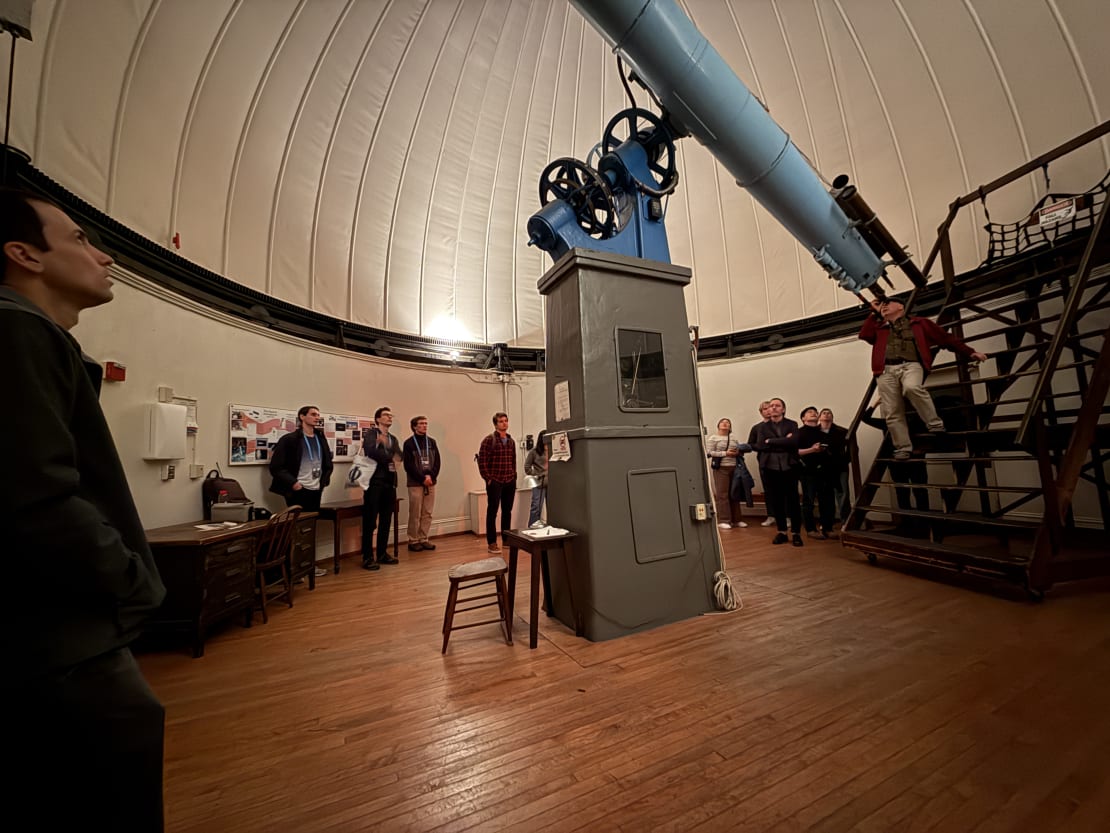
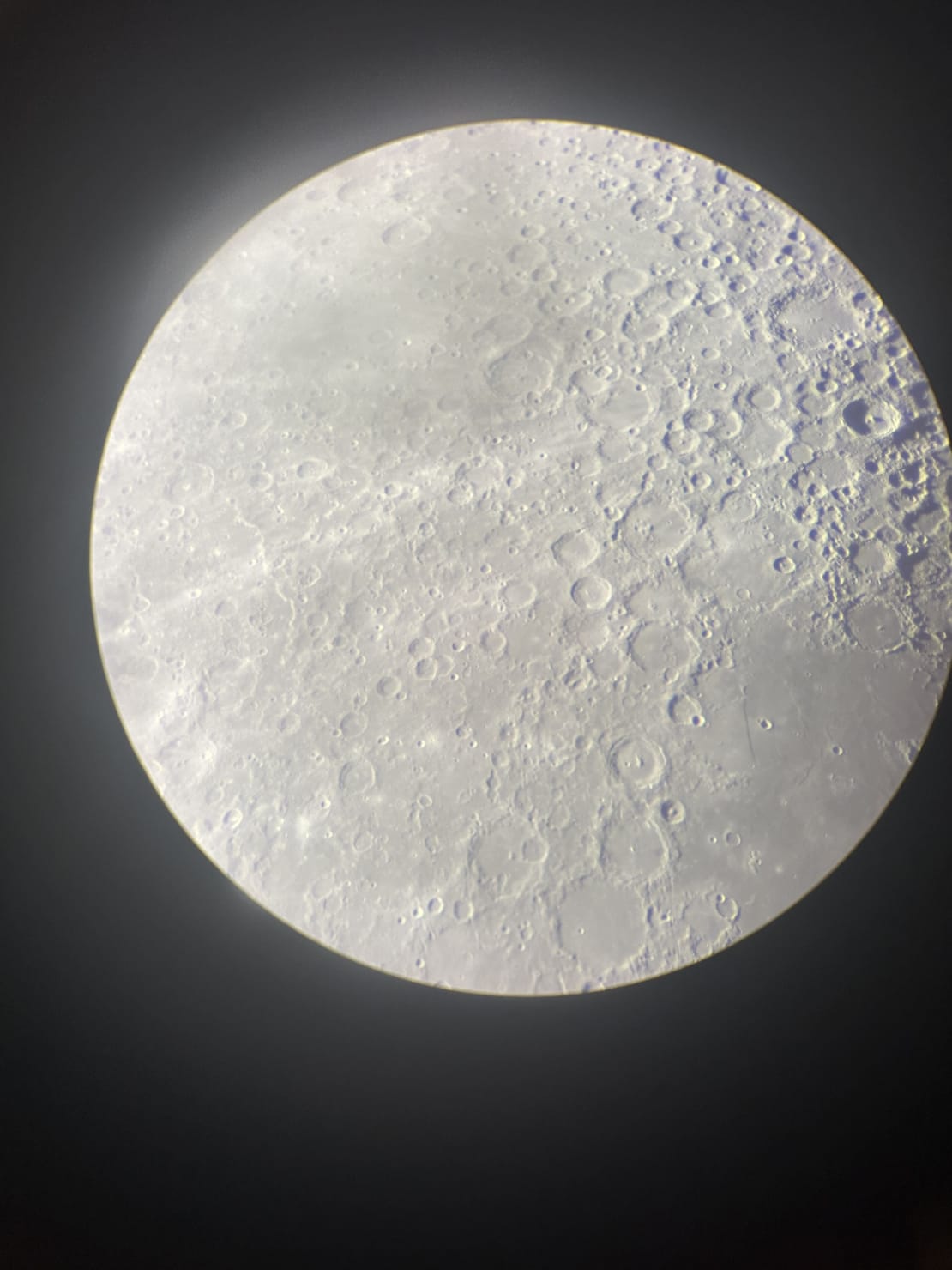
Later that evening, collaborators enjoyed a tour of the Washburn Observatory, home of what was the 3rd largest equatorial telescope in North America when it became operational in January of 1879. The tour was led by historian Dr. James Lattis and included stargazing opportunities.
During the week, collaborators presented results of the latest IceCube analyses, such as neutrino oscillations, neutrino sources, fundamental physics, and cosmic rays. There were also a number of productive discussions and talks that took place on software, calibration, education and outreach, and IceCube-Gen2. New this year were the open discussions, which provided a chance for collaborators to meet and discuss topics such as managing computing resources, improving the publication process, and promoting undergraduate participation.
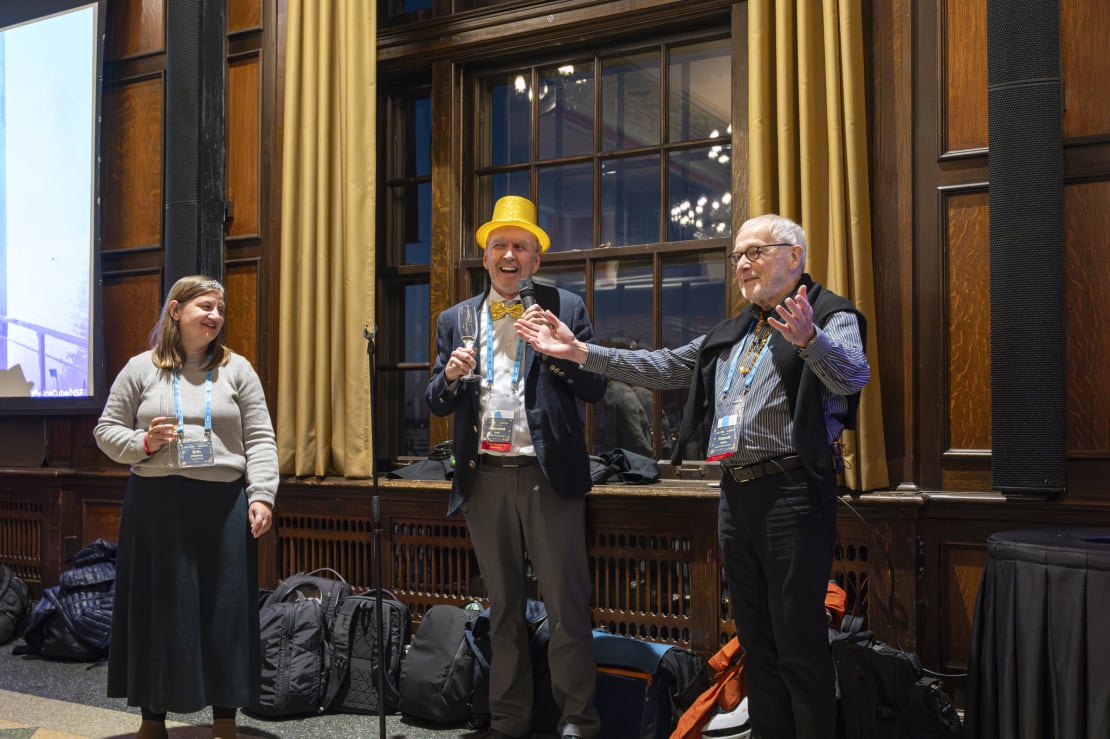
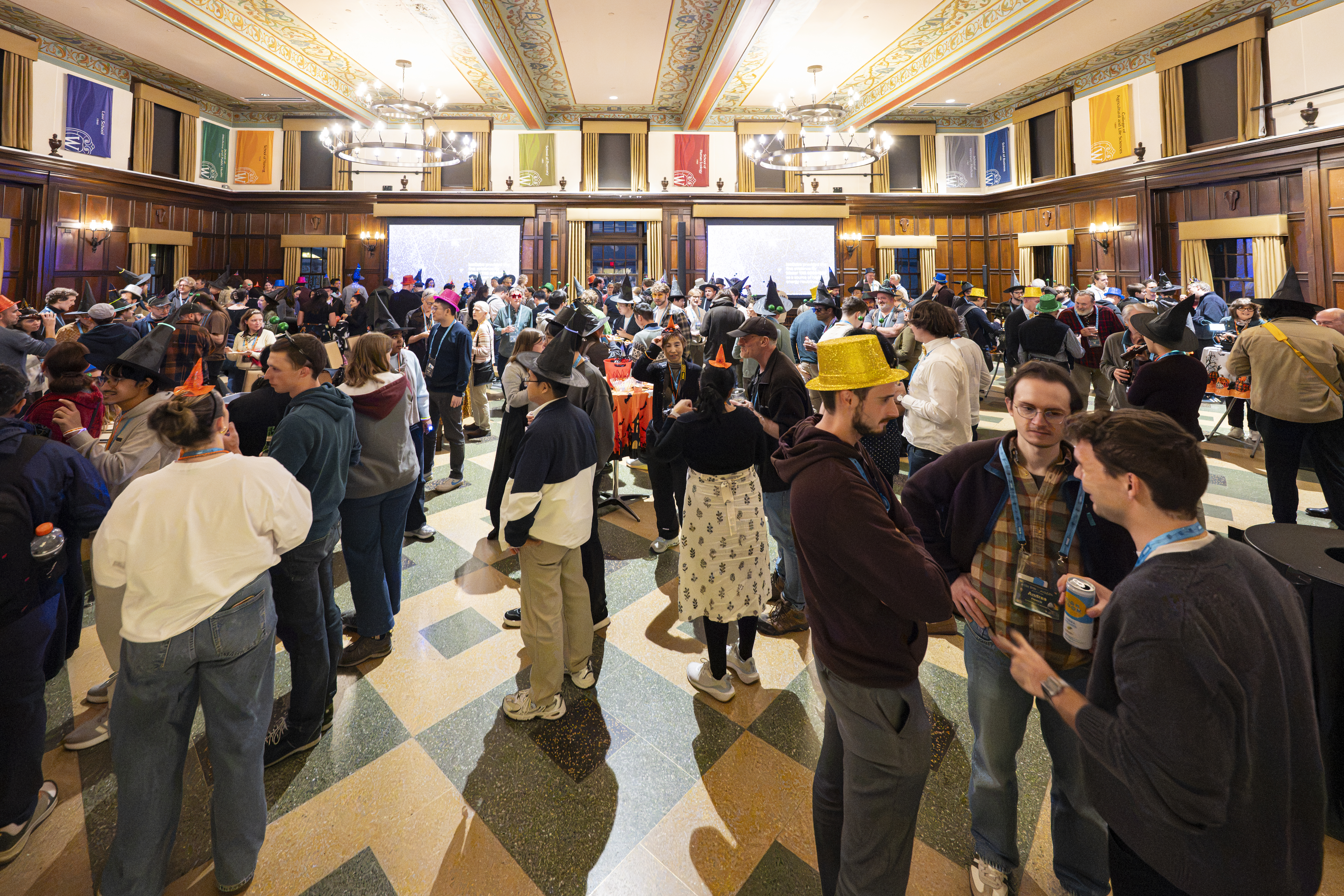
A highlight of the meeting was the welcome reception where participants donned festive accessories and mingled with others. During the reception, Karle and IceCube spokesperson Erin O’Sullivan said a few words before leading a toast to Halzen.
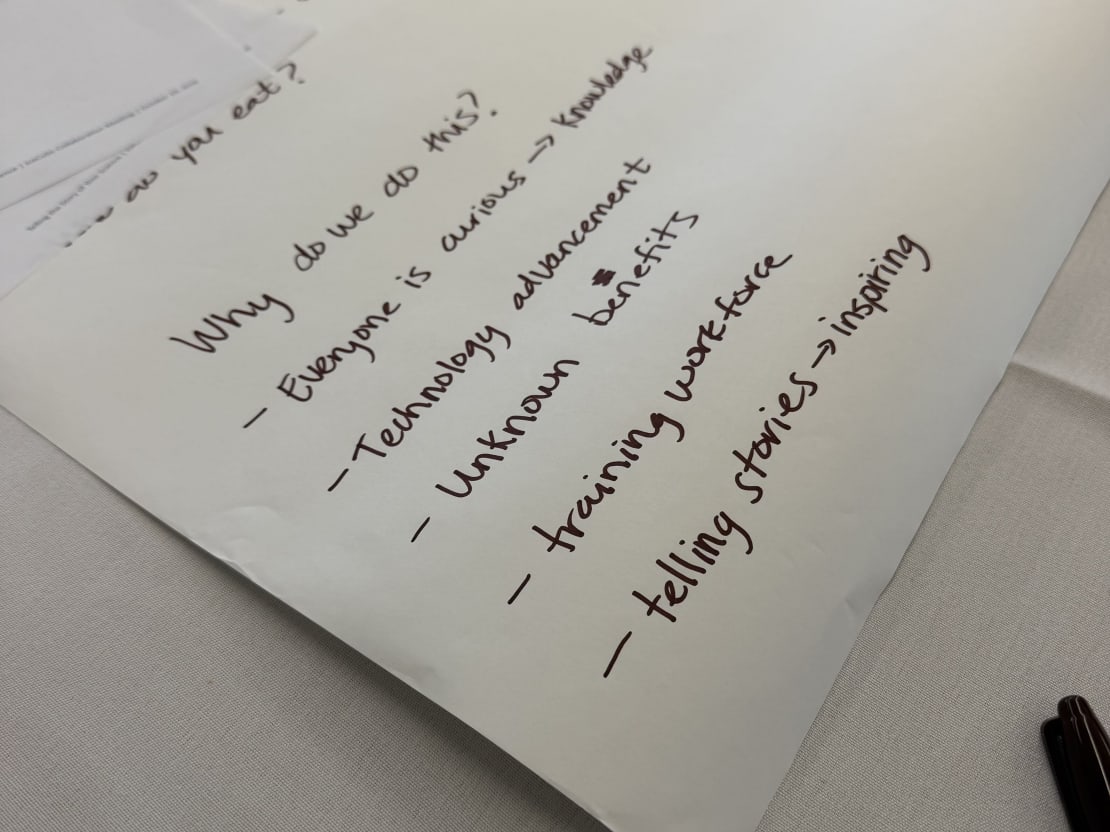
The meeting also involved special luncheons, including a media training workshop, a community working group session, and a meeting for early career researchers. At the media training workshop, Siri Carpenter, CEO of The Open Notebook, talked about the importance of journalism, shared tips for developing relationships with journalists, and led an activity where groups worked together to answer tough questions from the media.
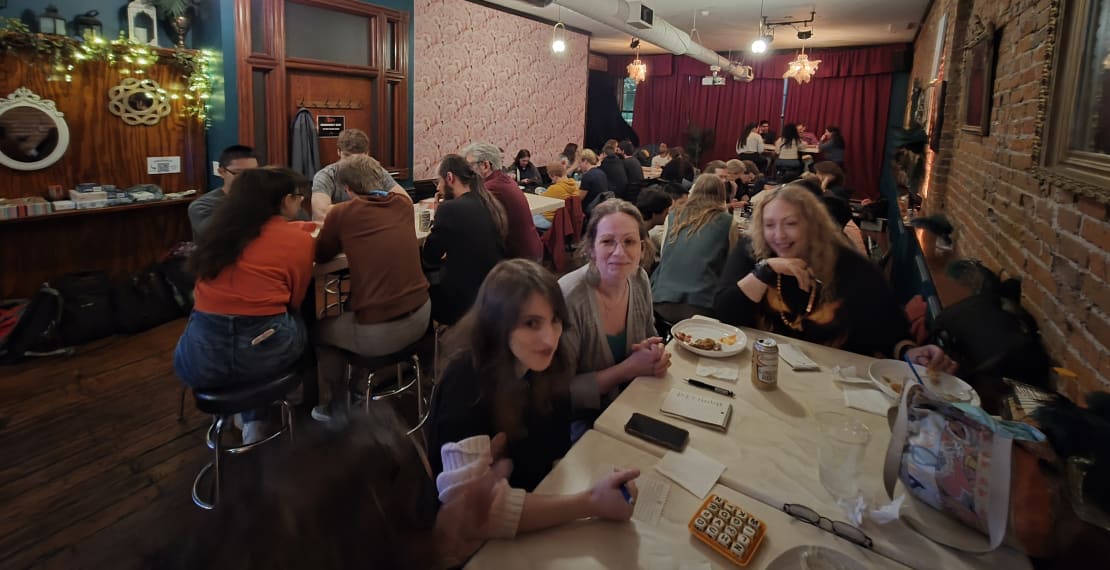
However, the meeting was not all business. There were plenty of socializing opportunities, such as a board game night and the collaboration banquet.

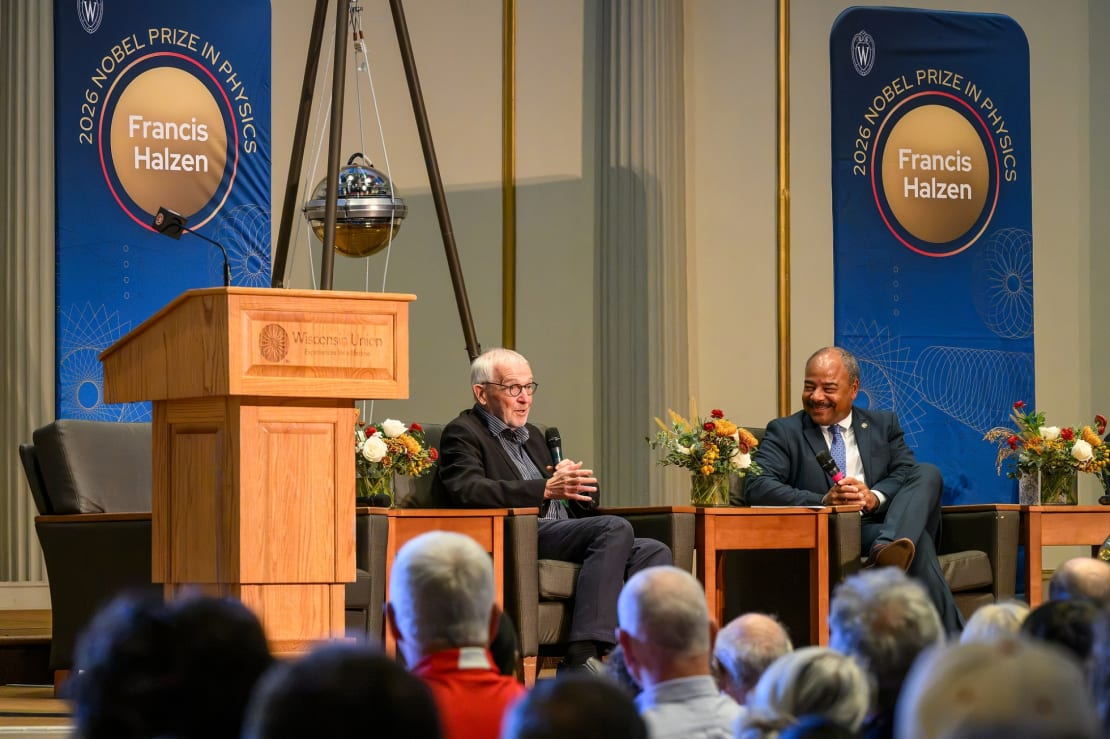
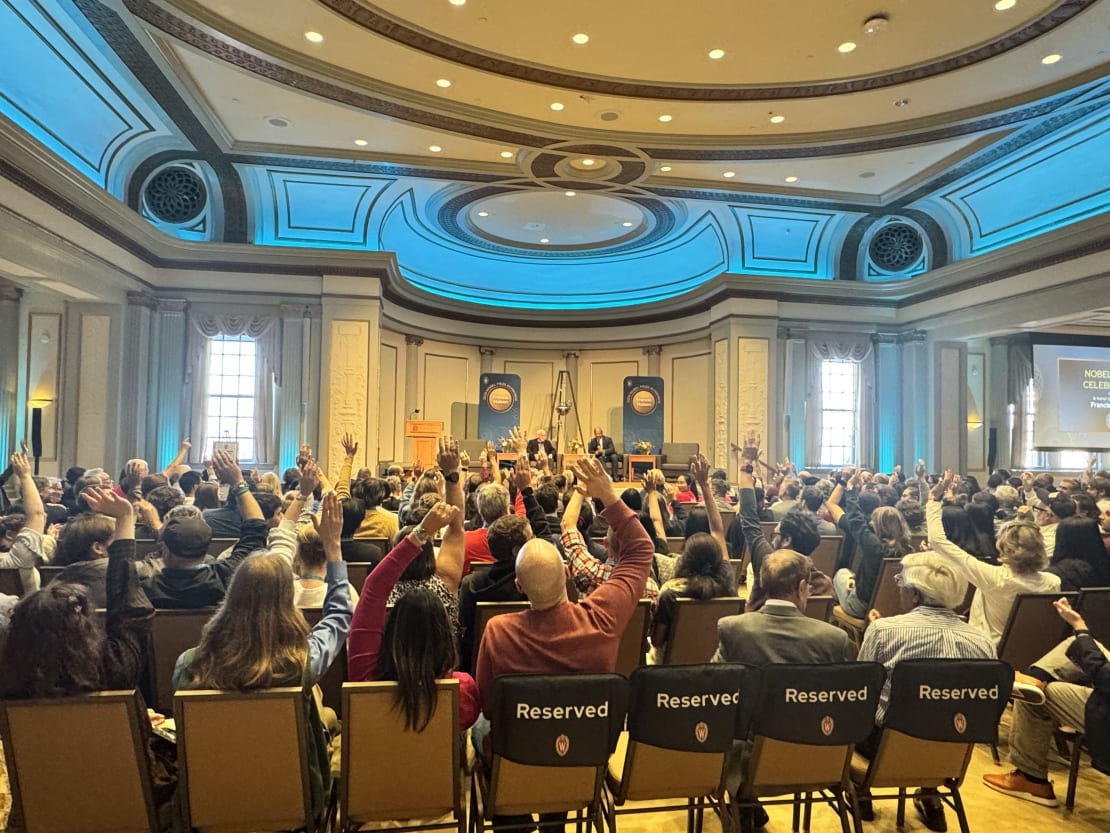
At the conclusion of the meeting, many collaborators stayed in Madison for a campus-wide celebration for Halzen. Before an in-person audience of more than 400 and thousands who joined via the livestream and watch parties, Halzen was joined by interim Chancellor Eric Wilcots for a fireside chat about his scientific career and the development of the NSF IceCube Neutrino Observatory.
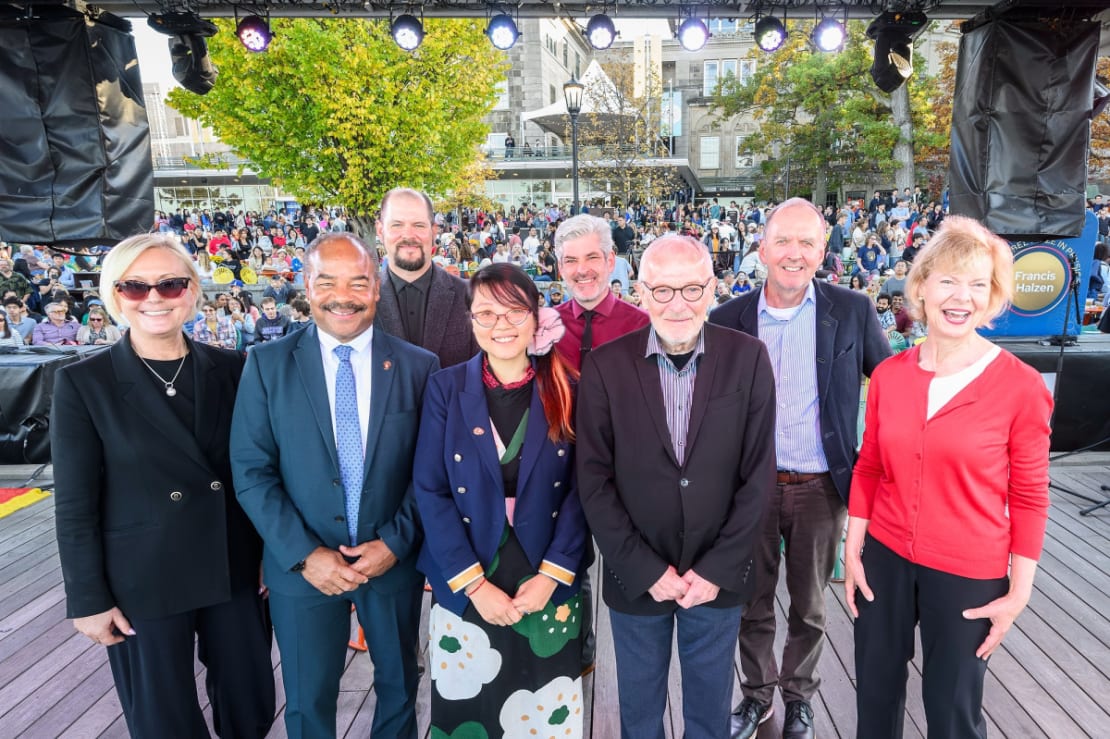
Soon after, Halzen was joined by Terry Benson, director of the UW Physical Sciences Lab; Lu Lu, UW–Madison associate professor of physics; Dan Hooper, director of the Wisconsin IceCube Particle Astrophysics Center; and Karle to discuss the engineering, logistical, and scientific hurdles that the collaboration had to overcome to make IceCube a scientific success. Following the celebration, the party moved to the Memorial Union Terrace, where Halzen was greeted by a massive crowd that included U.S. Senator Tammy Baldwin, the university mascot Bucky Badger, and members of the UW Marching Band.
The next collaboration meeting will take place April 5-9, 2027, at the Karlsruhe Institute of Technology in Karlsruhe, Germany.